
Important Things To Keep In Mind While Monitoring Blood Sugar Levels
If you have hypoglycemia or hyperglycemia, your doctor may advise you to change your diet, exercise routine, or the amount of medication you are taking.
Monitoring your blood sugar is the most effective technique to determine how well your diabetes is controlled
What Factors Can Affect Your Blood Glucose Levels?
Food, physical activity, medicine, and stress can all have an impact on your blood sugar levels.
These factors can increase your blood sugar levels:
- Excessive eating
- Illness, surgery, or anxiety
- Staying inactive
- Skipping your diabetes medicine
These factors can lower your blood glucose levels:
- Missing meals or eating infrequently
- Taking an excessive amount of diabetes medicine
- Consuming alcohol on an empty stomach
- Excessive activity
It is critical that blood sugar levels remain within a healthy range. We can lose our capacity to think and perform normally if our glucose levels fall too low. If they get very high and remain so for an extended period of time, they might create long-term damage or difficulties to the body.
Who Should Monitor Their Blood Glucose Levels?
Consult your doctor about whether you should check your blood glucose levels. Those who may benefit from routine blood glucose testing include:
- who are expecting a child
- Having difficulty controlling blood sugar levels
- having low blood glucose levels
- having low blood sugar levels despite the absence of the normal warning symptoms
- have ketones as a result of elevated blood sugar levels
What’s An Ideal Blood Sugar Level?
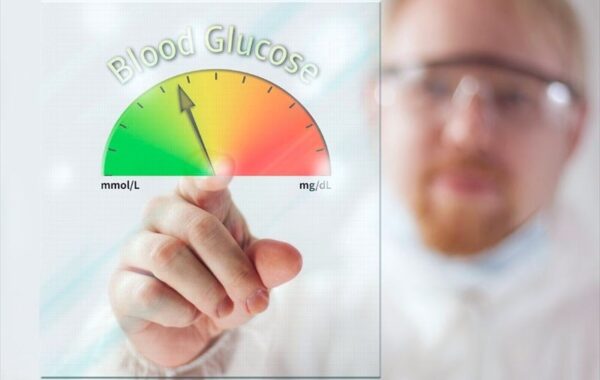
Blood sugar targets might fluctuate from person to person and change throughout the day. The American Diabetes Association recommends the following blood sugar targets:
80 to 130 mg/dL before meals
less than 180 mg/dL two hours after the commencement of a meal
100-150 mg/dL before bedtime If the level is less than 100 mg/dL, eat something.
How can I measure my blood sugar?
The standard blood sugar test involves piercing your finger with a little needle called a lancet; depositing a drop of blood on a test strip, and reading your blood sugar level using a meter. Blood glucose meters and test strips are available at your local drugstore, by mail order, or from your healthcare physician. Meters come in a variety of styles. Your healthcare professional can assist you in determining the appropriate meter for you.
If you have insurance, contact your provider to verify if you are covered. If you do not have insurance, discuss your choices with your caregiver.
What does my sugar reading imply?
When you finish the blood sugar test, write down your readings and note what factors, such as diet, activity, and stress, may have affected them. Examine your blood glucose record carefully to discover if your level is abnormally high or abnormally low multiple days in a row around the same period. If the same thing happens again and again, it may be time to adjust your diabetes treatment plan. Work with your doctor or a diabetes educator to understand the implications of your results. Making tweaks and getting things just perfect can take time. Also, ask your doctor if you should call your doctor right away if your results fall outside of a specified range.
When should I contact my doctor regarding my blood sugar level?
Proper blood sugar ranges are unique to each individual and might alter throughout the day. Your healthcare provider will advise you on the appropriate range. If any of the following occur, contact your healthcare provider:
For an unknown reason, your blood sugar test readings have been higher than usual (more than 100 mg/dl higher than usual) for more than 2 days.
More than twice a week, your blood sugar level is low (less than 70 mg/dl).
How do you choose a blood glucose meter?
When you and your parents are looking for a glucose meter, you should think about the following:
Size: Because you’ll most likely be using the glucometer on the move, you’ll want one that’s light, portable, and small enough to fit into your backpack or luggage.
Cost: Although most insurance plans cover the cost of glucose meters and test strips, they may only cover specific brands and limit the number of test strips that can be purchased (and test strips are the most expensive part of monitoring blood sugar levels).
Speed: The speed at which your sugar test machine produces readings varies, but most don’t take more than a few seconds.
Smartphones, on the other hand, have aided in speeding up the process by making them more convenient and accessible. BeatO app on a smartphone allows the user to check their blood glucose levels as well as perform a variety of other things.